How to Get Rid of Printer Cartridges: A Practical Guide
Learn how to dispose of printer cartridges responsibly via recycling, mail-back programs, and safe disposal steps. This Print Setup Pro guide covers options and prep.


You will learn how to get rid of printer cartridges safely, legally, and eco-friendly by recycling or returning them to manufacturers, and choosing mail-back options when offered. According to Print Setup Pro, start by separating empties from waste, check brand-specific programs, and choose local recycling or retailer drop-off. This guide covers steps, materials, and common pitfalls.
Why proper disposal matters
When you look for how to get rid of printer cartridges, the answer goes beyond convenience—it's about protecting people and the environment. Empty and spent cartridges contain plastics, metals, inks or toners, and sometimes harmful residues that can leach into soil and water if sent to landfills. Proper disposal supports responsible recycling streams, reduces the demand for virgin materials, and lowers the carbon footprint of everyday office activities. In this Print Setup Pro guide, you’ll learn why disposal matters, what options exist, and how to choose the best path for each cartridge type. By following proven steps, home offices, students, and small businesses can turn a potential waste problem into an opportunity for reuse and resource conservation.
Cartridge types and disposal options
Printer cartridges come in several forms: OEM or brand cartridges, remanufactured cartridges, and third-party refills. Each type may have different recycling pathways and acceptance rules at local programs. Toner cartridges (for laser printers) and ink cartridges (for inkjet printers) often have separate recycling streams because of their different materials. In general, consumer cartridges are widely accepted by manufacturers’ return programs, big-box retailers, and community recycling centers. If you’re wondering about the best disposal method for a given cartridge, start by identifying its brand and model, then check the official recycling options. Print Setup Pro notes that many cartridges can be recycled without cost, and some programs offer mail-back labels or prepaid shipping.
Brand programs and mail-back options
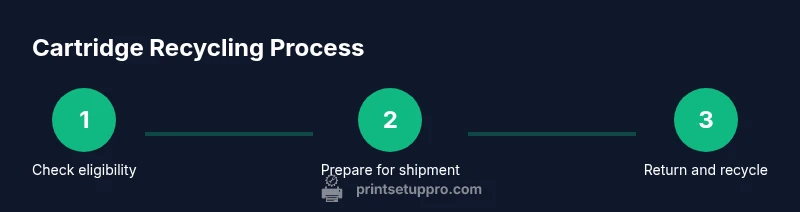
Many printer brands offer take-back or mail-back programs. These programs typically provide a prepaid label and packaging guidance so you can send cartridges back for recycling or remanufacture. The process is often simple: locate the program page on the brand site or ask your retailer, obtain the label, prepare the cartridge, and ship. If your cartridge is part of a program, you may receive confirmation and sometimes a discount on future purchases. Some retailers also participate in universal recycling programs that accept cartridges regardless of brand. The key is to verify eligibility, understand any weight or size limits, and follow packaging guidelines to avoid leaks.
Preparing cartridges for recycling
Before you ship or drop off cartridges, prepare them properly to prevent leaks and contamination. Remove cartridges from printers carefully, wipe away excess ink or toner with a dry cloth, and place them in a sealable bag or protective wrapping. Keep the label visible and ensure there is no water exposure. If a cartridge is leaking or damaged, seal it separately and mark it as hazardous if required by the program. Use a sturdy container and keep cartridges in a cool, dry place until you’re ready to ship. By preparing cartridges correctly, you improve processing efficiency and reduce the risk of damage to handlers and equipment.
How to dispose of non-recyclable cartridges safely
Not every cartridge can be recycled through a brand program or local facility. In cases where a cartridge is not accepted, contact your local waste management authority for guidance on safe disposal. Some municipalities treat certain ink or toner wastes as hazardous and require drop-off at a designated facility. If a cartridge cannot be recycled, consider repurposing components for art projects or donating them to schools that accept intact cartridges for reuse, where allowed. Always follow local rules and avoid throwing cartridges in the trash, which can contaminate recycling streams.
Practical steps you can take today
Take a few minutes today to set up a simple cartridge disposal routine:
- Check brand and retailer options for recycling or mail-back;
- Gather all cartridges from printers, keyboards, and supply bins;
- Print or obtain the return labels;
- Package and seal cartridges securely;
- Ship or drop off, keeping receipts. If you keep a disposal log, you’ll have an easy reference for audits or sustainability reports. By establishing a small, repeatable process, your home office or classroom can make steady progress toward a closed-loop recycling approach.
Common mistakes to avoid
Common errors can derail disposal efforts. Don’t mix cartridges from different brands in one shipment, as some programs require brand-specific packaging. Avoid shipping leaking cartridges; leaks can cause contamination and damage to other items in transit. Never throw cartridges into regular trash, and don’t rely on a single option—use multiple programs if your brand allows. Finally, skip the documentation step; keeping tracking numbers or receipts helps confirm disposal and can support sustainability reporting.
Authority sources
- EPA: https://www.epa.gov/recycle
- NRDC: https://www.nrdc.org
- FTC: https://www.consumer.ftc.gov/articles/how-to-recycle-electronics
Tools & Materials
- Empty printer cartridge(s) in original packaging or protective bag(Keep label visible and separate from other waste)
- Shipping box or padded mailer(Use sturdy packaging to prevent leaks)
- Prepaid return label or program shipping label(Attach securely and follow program instructions)
- Tape or packing tape(Seal box securely to prevent openings in transit)
- Markers and labels(Label contents and handling instructions as needed)
- Bubble wrap or packing material(Extra protection for fragile caps)
Steps
Estimated time: 45-60 minutes
- 1
Identify disposal options
Start by locating the official recycling or mail-back options for your cartridge’s brand. If your brand offers a prepaid label, gather any necessary information (model, quantity, destination). If no brand program exists, check local retailers or municipal recycling centers that accept cartridges.
Tip: Document where you’ll recycle from the start to avoid missing deadlines. - 2
Gather all cartridges
Collect all cartridges from printers and supply closets. Separate by brand if a program requires brand-specific packaging. Inspect for leaks and set aside damaged items for special handling.
Tip: Leak-free cartridges ship more safely and reliably. - 3
Prepare cartridges for shipping
Remove cartridges from devices, wipe with a dry cloth, and place in protective bags or wrap. If the program provides packaging, use it exactly as instructed and label clearly.
Tip: Use dry materials only—moisture can compromise cartridges and labels. - 4
Package securely
Place cartridges in a sturdy box, minimize movement with packing material, and seal with packing tape. Attach the return label where it’s easy to see and scan.
Tip: Avoid excessive padding that increases shipment weight. - 5
Ship or drop off
Take the package to the designated carrier or drop-off location. Save the receipt or tracking number for proof of disposal.
Tip: If you can, choose a trackable option to verify delivery. - 6
Verify disposal and track results
Check for a disposal confirmation email or tracking update. Log the event in your sustainability records for future audits.
Tip: Keep digital or paper receipts for at least one year.
People Also Ask
Is there a cost to recycle printer cartridges?
In most programs, recycling is free for consumers, though some programs may charge for oversized or special shipments. Always verify the current policy on the brand or retailer site.
Most programs are free for standard cartridge recycling; check the brand page for any exceptions.
Do all cartridges qualify for recycling?
Most consumer cartridges are accepted by major programs, but some third‑party or specialty cartridges may have restrictions. Check the program’s eligibility list before shipping.
Check the program’s list to confirm eligibility before sending cartridges.
What if my cartridge is leaking?
Do not ship leaking cartridges. Seal them separately and follow program guidelines for hazardous materials. Contact the program if you’re unsure how to package leaks safely.
Don’t ship leaking cartridges; seal them and follow the program’s safety rules.
How do I find the right recycling program?
Start at the printer brand’s site or ask retailers about take-back options. Local municipal programs and universal recycling partners may also accept cartridges.
Look up your brand’s recycling options or ask local retailers for take-back programs.
Can I reuse or refill cartridges?
Some brands support refilling or remanufacturing. Check compatibility and warranty requirements before attempting to reuse a cartridge.
Some cartridges can be refilled or remanufactured; check compatibility first.
What records should I keep after disposal?
Keep disposal receipts or tracking numbers as proof of recycling. This helps with sustainability reporting and potential compliance requirements.
Save your disposal receipts or tracking numbers for proof of recycling.
Watch Video
Quick Summary
- Identify disposal options early and document them
- Prepare cartridges properly to prevent leaks
- Recycle first, then consider reuse or donation
- Keep receipts and tracking numbers for proof of disposal
- Avoid mixing brands and never dispose in regular trash