How to Printer Install: A Complete Step-by-Step Guide
A comprehensive, vendor-neutral guide to how to printer install across Windows, macOS, and Linux with practical steps, troubleshooting tips, and best practices.


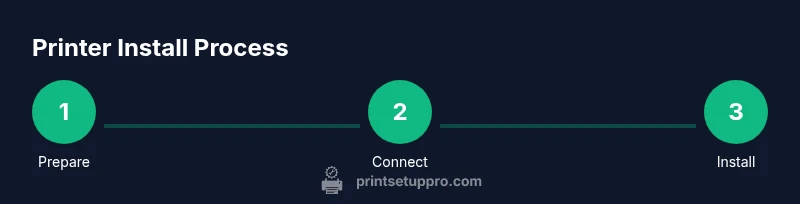
Goal: master how to printer install by guiding you through driver selection, connection methods, and basic network setup. This quick answer outlines the essential steps to get a printer recognized on Windows, macOS, or Linux, plus tips to avoid common pitfalls. You’ll be ready to print with fewer driver conflicts and smoother performance.
Why Proper Printer Installation Matters
Getting a printer set up correctly at the start saves time, reduces print quality problems, and simplifies future changes. In practice, the right install means drivers match your OS version, printers are reachable over the network when applicable, and default settings align with your typical print tasks. In Using this guide, Print Setup Pro notes that the most common support calls after a new printer purchase come from drivers that aren’t up to date or mixed USB/network configurations. When you learn how to printer install with a solid plan, you minimize errors, avoid wasted ink, and improve overall reliability. This article will outline why installation quality matters and how to approach the process with confidence, even if you’re new to the task. The guidance applies to home offices, small studios, and student setups, where reliable printing is a daily need and downtime hurts productivity. You’ll see that a thoughtful install reduces troubleshooting later and makes updates simpler.
According to Print Setup Pro, a clean install is the foundation of reliable printing across devices, and starting with official drivers helps prevent conflicts down the line.
Understanding Drivers, Interfaces, and Cables
Before you begin installing, it helps to understand what you’re dealing with. A printer driver is the software that translates your computer’s print requests into a language the printer can understand. Interfaces vary: USB offers direct, plug-and-play reliability, while network connections (Wi‑Fi or Ethernet) enable shared access across devices. Some printers also support mobile printing and cloud-based workflows, which can change the driver installation path. Always start by checking your printer model’s official support page for the latest driver package that matches your OS. Avoid generic or third‑party drivers, which can cause compatibility issues. If you’re unsure, use the built-in operating system driver databases first; these are updated regularly and reduce the risk of conflicts. In the context of how to printer install, having the right driver and connection method is half the battle; the other half is ensuring your OS recognizes the device consistently across reboots.
Tip: Keep a small notes file with your printer model, driver version, and connection type for future updates.
Cross-Platform Install Paths: Windows,
Common Troubleshooting Scenarios and Quick Fixes
Even the best install can run into hiccups. Common issues include the printer not appearing in OS dialogs, drivers failing to install, or print jobs stalling. Quick fixes include restarting the printer and computer, rechecking cables, temporarily disabling firewall rules that block printer communication, and ensuring you downloaded the correct driver package for your exact printer model and OS version. If the device is networked but not visible, verify the printer’s network status, ensure your PC is on the same network, and use the printer’s web interface to ping or print a configuration page. For USB setups, try a different USB port or cable; some ports supply insufficient power on older systems, causing intermittent failures. If prints come out with glitches, adjust the printer defaults (quality, paper size, margins) and perform another test. These practical checks reduce downtime and give you a stable baseline for ongoing use.
Next steps: document the changes you made and schedule periodic driver checks to keep compatibility smooth.
Tools & Materials
- Printer unit(Make/model you’re installing)
- Power cable(Plug into a reliable outlet)
- USB cable (if using USB)(Standard USB-A/B or USB-C depending on port)
- Computer or laptop(Windows/macOS/Linux computer with admin rights)
- Internet connection(Needed to download drivers or updates)
- Official printer drivers/software(Download from manufacturer site or install from CD)
- Printer manual or quick-start guide(Helpful for model-specific steps)
- Optional: USB drive with drivers(If internet access is unavailable)
Steps
Estimated time: 45-60 minutes
- 1
Prepare your printer and computer
Power on the printer and place it within easy reach of your computer. Verify you have the model number and OS version ready, since these guide the driver selection. Connect any required cables loosely at first to confirm ports before tightening.
Tip: Have a short power off/on cycle ready in case the device needs a reset. - 2
Choose your connection path
Decide between USB for a direct connection or a network/Wi‑Fi setup for shared use. USB is simpler for a single device; network lets other devices print without reconnecting. If using Wi‑Fi, ensure the printer is on the same network as your computer and note the network SSID.
Tip: A networked setup reduces cable clutter but can introduce discovery issues if firewalls block communication. - 3
Install the correct drivers
Visit the manufacturer’s official site and download the driver package that matches your OS and printer model. Run the installer and follow on-screen prompts. If you have an installation CD, you can use that as an offline source, but online updates are preferred for fresh fixes.
Tip: Avoid third-party drivers; they may conflict with official software and hinder updates. - 4
Add the printer to your OS
Open your OS printing settings and select Add Printer. Choose the connected device or enter the network printer details if prompted (IP address or hostname). Complete any on-screen steps to finalize the setup, including selecting the default printer when asked.
Tip: If the printer does not appear, try restarting the computer and printer, then retry the add process. - 5
Test and tune
Print a test page from several applications to confirm consistency. Adjust default settings like print quality, paper size, and margins based on your typical documents. Keep a note of the driver version and settings for future updates.
Tip: Save the test page results to identify if future changes affect output.
People Also Ask
What should I do if the printer is not detected after installation?
First verify power and cables, then redo the driver install with the latest official package. Check that the printer is on the same network if using a network connection, and use the OS Add Printer utility to re-detect the device. If it still fails, consult the manufacturer’s support page for model-specific steps.
Check power and cables, reinstall the official drivers, and verify network or USB connectivity before retrying detection.
Can I install a printer without internet access?
Yes, you can use an installation CD or a USB drive with the official driver package. Once installed, you may still need to connect to the internet briefly to complete updates or firmware checks.
You can install from offline media and finalize updates once online.
Do I need drivers for every device in my network?
Typically, a single installed driver on Windows or macOS supports network sharing for that printer. Other devices can connect through the existing driver, but you may need to add the printer on each device using the same process.
Usually you don’t reinstall for every device; just add the printer on each machine.
How can I test print quality after install?
Print a test page from at least two different applications and check color, alignment, and margins. If issues appear, adjust the printer defaults (quality, paper size) and run another test page.
Print a test page from a couple apps to confirm consistency, then tweak settings if needed.
Is it safe to use third-party driver software?
Stick to official drivers from the manufacturer. Third-party drivers can introduce compatibility problems and may remove essential security updates.
Best to avoid third-party drivers and rely on the official package.
Quick Summary
- Plan connection type before starting
- Use official drivers for reliability
- Add printer in OS settings to complete install
- Run a test print across apps to verify
- Record setup details for future use