How to Remove Printer Ink from Clothes: A Complete Guide
Learn proven methods to remove printer ink from fabrics, including pre-treatments, solvents, washing techniques, and care tips for common clothing materials.


To remove printer ink from clothes, start by blotting the stain to remove excess ink, then apply a small amount of detergent and test on a hidden seam. Use isopropyl alcohol on most ink types, dab from the outside in, and rinse with cold water. Repeat pre-treatment and washing steps as needed, avoiding heat until the stain is fully gone.
Why printer ink stains are tricky
Printer ink stains behave differently than many other common stains because of the chemistry of the ink and the fabric fiber. Ink cartridges release pigments that can cling to fibers and set under heat if not treated promptly. Water-based inks tend to lift more easily than pigment-based inks, but all inks can become stubborn if allowed to dry. When you learn how to get printer ink out of clothes, you're equipping yourself with a set of repeatable steps that respect fabric type and stain age. The first rule is to act fast: the sooner you begin, the higher the chance of successful removal. This section will break down the science behind stains so you can choose the right approach for your garment.
Ink types and fabric compatibility
Not all inks are created equal, and different fabrics react in distinct ways. Dye-based inks are more water-soluble and respond well to rinsing and mild detergents, while pigment-based inks cling to fibers and may require solvents. Some synthetic fabrics, like polyester, can hold onto stains longer but tolerate alcohol-based treatments better than wool or silk. Before you dive into the cleanup, check the fabric care label and consider testing any solvent on a hidden seam. The goal is to minimize fiber damage while maximizing stain removal. By understanding ink type and fabric, you’ll tailor your approach rather than guessing.
Testing and initial prep
Always start with a cold-water rinse from the back of the stain to push ink out of fibers rather than deeper into the cloth. Then apply a small amount of liquid laundry detergent directly to the stain and let it sit for 5–10 minutes. This pre-treatment helps loosen sticky pigment and makes subsequent steps more effective. While it sits, inspect the garment for any colorfast issues by dabbing a hidden area with a weak detergent solution. If color bleeds, switch to a gentler approach. The prep stage sets the foundation for successful results.
Cleaning agents: what works and when
Isopropyl alcohol (rubbing alcohol) is a common first-choice solvent for many printer inks on cottons and blends. Lightly dampen a clean cloth with alcohol and blot the stain from the outside edges toward the center. Avoid rubbing hard, which can push ink deeper or fray fibers. For colorfast fabrics, alcohol is often effective; for delicate fabrics, test first or skip alcohol and use a detergent-based method. Hydrogen peroxide can help on white cottons or blends, but it may brighten some dyes and weaken color on others. Use it sparingly and always test first.
Step-by-step overview (high-level)
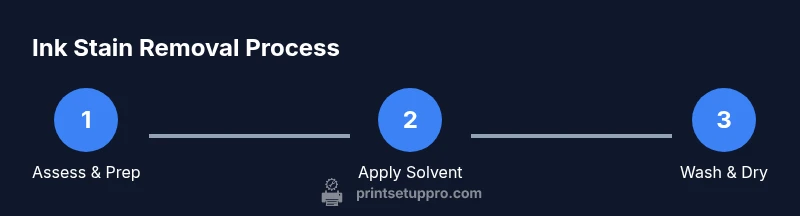
The following steps provide a practical roadmap for how to get printer ink out of clothes in a repeatable way. Start with cold water rinsing, then use detergent and solvent judiciously. As you apply each treatment, pause to check progress under good light. If the stain partially lifts, repeat the step rather than increasing force. Finally, always wash according to the garment’s care label and air-dry to verify the stain is gone before any heat exposure.
Handling different fabrics: cotton, polyester, wool, silk
Cotton and most blends respond well to the standard approach described above, but cottons may tolerate stronger solvents. Polyester generally handles alcohol well, but beware bold pigments that could smear. Wool and silk are more fragile; avoid harsh solvents and stick to milder detergents and color-safe stain removers. For delicate fabrics, a professional cleaning option may be the safest course. When in doubt, err on the side of gentleness and test on an inconspicuous area first.
Common mistakes and how to avoid them
One of the most common errors is rubbing the stain aggressively, which can embed ink deeper into fibers. Another mistake is drying the garment before the stain is fully removed; heat can set what remains, making it harder to reverse. Using bleach on colored fabrics can cause yellowing or color loss. Skipping a patch test for colorfastness and choosing the wrong solvent for the fabric are also frequent missteps. By avoiding these pitfalls, you keep more options open for successful removal.
Maintenance and prevention: keeping clothes ink-free
To reduce future incidents, turn shirts inside out when printing near clothing, wear an apron, and promptly clean spills in the printer area. If you work with printers regularly, keep a small stain-removal kit handy, including detergent, isopropyl alcohol, clean cloths, and a soft brush. Prompt attention and avoiding heat until the stain is gone can save clothing from permanent marks. A routine approach to stain care also minimizes the risk of long-term fabric damage.
Authority sources and further reading
For additional, credible guidance on fabric care and stain removal, refer to established sources such as Good Housekeeping, Britannica, and Consumer Reports. They provide practical, safety-conscious advice on stain reactions, fabric testing, and the safe use of solvents. While product recommendations vary by ink type, the underlying principles—test first, work gently, and verify results before drying—remain consistent across reputable sources.
Tools & Materials
- Liquid laundry detergent (enzyme-based preferred)(Small amount directly on stain; test on hidden area first)
- Isopropyl alcohol 70%+(Test fabric first on hidden seam; dab with cloth, avoid soaking)
- Cold water(Rinse from the back of the stain)
- Dish soap (mild)(Pre-treat if detergent alone isn’t lifting the stain)
- Hydrogen peroxide 3% (optional)(Only for white cottons; test first on colorfastness)
- White vinegar (optional)(Use as a supplementary pre-treatment for colorfast fabrics)
- Soft-bristled toothbrush or clean cloth(Gentle scrubbing to lift pigment without fraying)
- White towels or clean cloths(Blot excess moisture and lift ink flake)
- Gloves (optional)(Protect skin when using solvents)
- Washing machine access(Follow garment care labels; select cold wash by default)
Steps
Estimated time: 45-60 minutes
- 1
Identify stain and prep
Assess the stain, locate the most affected area, and assemble your removal kit. Place a protective barrier under the fabric to catch drips. Blot gently to remove excess ink without spreading it. This early prep reduces set-in risk.
Tip: Work in a well-lit area and avoid rubbing—aggressive motion can drive ink deeper. - 2
Rinse from the back with cold water
Hold the fabric under a cold faucet and run water through the stain from the backside to push pigment toward the surface. If a stream isn’t available, use a damp cloth and lightly blot. Do not use hot water at this stage, as heat can set the stain.
Tip: Back-to-front rinsing is key to lifting without redistributing ink. - 3
Pre-treat with detergent
Apply a small amount of liquid detergent directly to the stain and gently rub with your fingers or a soft brush. Let sit for 5–10 minutes to loosen the pigment.
Tip: Enzyme-based detergents can improve breakdown of organic pigments. - 4
Apply isopropyl alcohol
Dampen a clean cloth with isopropyl alcohol and blot the stain from the outside edges toward the center. Do not saturate the fabric; use minimal solvent at a time to avoid spreading.
Tip: Avoid applying alcohol to delicate fabrics like silk or acetate without a patch test. - 5
Rinse and repeat detergent wash
Rinse away the alcohol and detergent with cold water. Reapply detergent to the stain and gently rub again if color remains. Repeat this cycle once more if needed.
Tip: Check progress under bright light before drying. - 6
Wash according to garment care label
Machine wash on the cold or warm cycle specified by the label, using your regular laundry detergent. Do not add chlorine bleach on colored fabrics.
Tip: Never place the item in the dryer until you confirm the stain is gone. - 7
Air-dry and re-check
Air dry the garment after washing. If traces remain, repeat the steps before attempting heat exposure.
Tip: Air drying reduces the risk of heat setting any remaining pigment. - 8
Assess final result
Inspect the fabric in bright light. If the stain persists, consider a commercial stain remover or professional cleaning for delicate fabrics.
Tip: Persistent stains may require multiple cycles or specialized products.
People Also Ask
Can printer ink stains be removed after they have dried?
Dried ink is harder to remove but not always permanent. Reapply pre-treatment, use solvent carefully, and repeat washing steps. Patience often yields results, especially on cotton blends.
Dried ink is tougher, but you can still lift it with repeat treatments and careful cleaning.
Is rubbing alcohol safe on delicate fabrics?
Alcohol is generally safe on cottons and blends but can damage silk or acetate. Always patch-test on an inconspicuous area before proceeding.
Test on a hidden spot first; avoid delicate fabrics if unsure.
Should I wash immediately after applying solvent?
Wait to verify the stain is lifting before exposing to heat. Wash on the garment’s care label settings after treating. Do not dry until you are certain the stain is gone.
Don’t heat-dry until the stain is gone to avoid setting it.
Can I use bleach on color fabrics?
Bleach can damage colors and fabrics. Use color-safe stain removers or targeted solvents; avoid chlorine bleach on colored clothing.
Bleach is risky for colored fabrics, so use safer stain removers first.
What fabrics are most challenging for ink stains?
Dyes in silk and wool are often the hardest to treat; synthetic fibers handle solvents better, but always test first and adjust approach.
Natural fibers like silk and wool can be tricky; test before treating.
How should I handle ink from non-water-based printers?
Non-water-based inks may require different solvents. Patch-test and start with milder methods before escalating. When in doubt, consult a professional cleaner.
If ink is unusual, test gently and consider professional cleaning if unsure.
Watch Video
Quick Summary
- Act quickly to maximize stain removal chances
- Test colorfastness before using solvents
- Avoid heat until the stain is fully removed
- Repeat pre-treat and washing steps for stubborn stains